

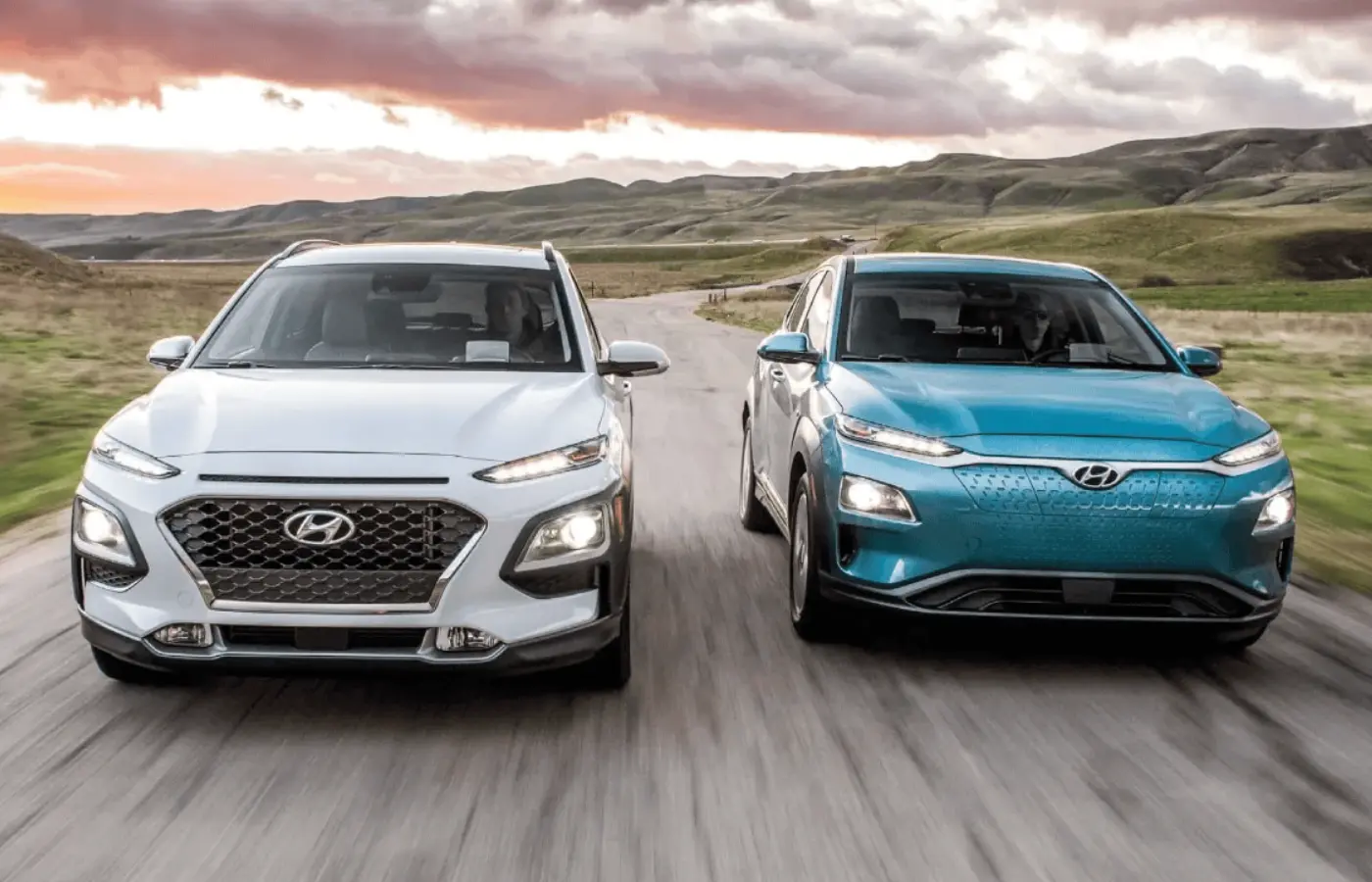
The petrol vs diesel car debate has been going on for as long as I can remember, but the answer genuinely isn’t as fixed as it used to be. With BS6 Phase 2 norms and shifting fuel prices, the calculation has changed quite a bit from even five years ago.
Let’s actually break down the numbers instead of relying on old assumptions.
Upfront Cost Difference
Direct answer: Diesel variants typically cost ₹1-1.5 lakh more than equivalent petrol variants at purchase, due to more complex engine technology required to meet emission norms.
This price gap has actually widened since BS6 Phase 2 rolled out, making diesel less attractive for buyers with lower annual mileage.
Fuel Price Comparison
As of 2026, diesel remains cheaper than petrol by roughly ₹8-10 per litre in most states, though this gap has narrowed compared to a decade ago when it was significantly wider.
Mileage Comparison
- Petrol engines — generally 15-18 kmpl for typical hatchbacks/sedans
- Diesel engines — generally 20-24 kmpl for the same segment
Diesel still holds a meaningful mileage advantage, especially on highways where the engine runs more efficiently at consistent speeds.
[link to related guide about fuel efficient cars in india here]
The Break-Even Point — When Diesel Actually Pays Off
This is the calculation most buyers skip, and it matters a lot:
Direct answer: Diesel cars typically break even against petrol in total cost of ownership only after covering 25,000-30,000 km annually, meaning low-mileage city drivers rarely recover the higher upfront and maintenance costs.
If you’re doing under 15,000 km a year, petrol almost always works out cheaper overall.
Maintenance Cost Comparison
Diesel engines, especially post-BS6, involve more complex components like DPF (Diesel Particulate Filter) systems, which can be expensive to repair if they clog or fail. Petrol engines remain comparatively simpler and cheaper to maintain over the vehicle’s life.
[link to related guide about car service schedule here]
Performance Differences
Diesel engines generally offer stronger low-end torque, making them feel punchier for overtaking and highway driving with a full load. Petrol engines tend to be smoother and quieter, especially noticeable in city stop-start traffic.
Environmental Considerations
This is worth mentioning honestly — diesel engines, despite emission improvements, still generally produce more particulate matter than petrol engines, which is part of why several Indian cities have periodically discussed diesel restrictions.
Which Should You Actually Choose?
Picture a sales professional doing 200+ km daily across highways for client visits — diesel genuinely makes sense here despite the higher upfront cost, since fuel savings compound quickly. Now picture someone with a 15 km daily office commute in city traffic — petrol is almost certainly the more sensible, cost-effective choice.
[link to related guide about new car launches 2026 here]
FAQ
Q1: Is diesel still cheaper to run than petrol in 2026? Yes, diesel fuel remains cheaper per litre, but the overall cost benefit only materializes with high annual mileage.
Q2: What’s the break-even point for diesel cars over petrol? Generally around 25,000-30,000 km annually, based on typical price and running cost differences.
Q3: Are diesel cars more expensive to maintain than petrol cars? Yes, diesel engines often involve costlier repairs, particularly related to emission control components like DPF systems.
Q4: Which offers better mileage, petrol or diesel? Diesel engines generally offer better mileage, especially on highways, compared to equivalent petrol engines.
Q5: Should city drivers choose petrol or diesel? Petrol is usually the more cost-effective and practical choice for drivers doing mostly city commutes with lower annual mileage.
Conclusion
The petrol vs diesel car decision in 2026 really comes down to one honest question: how much do you actually drive annually? If your usage crosses 25,000 km a year, mostly highway, diesel still makes financial sense despite the higher upfront cost. For everyone else — and that’s most city-based buyers — petrol remains the simpler, more cost-effective choice. Calculate your actual annual mileage honestly before deciding, rather than going by assumptions from a decade ago.
Suggested Image Alt Text:
- “Petrol vs diesel car engine comparison India”
- “Diesel car fuel pump comparison petrol India”
- “Petrol vs diesel car highway driving comparison 2026”