
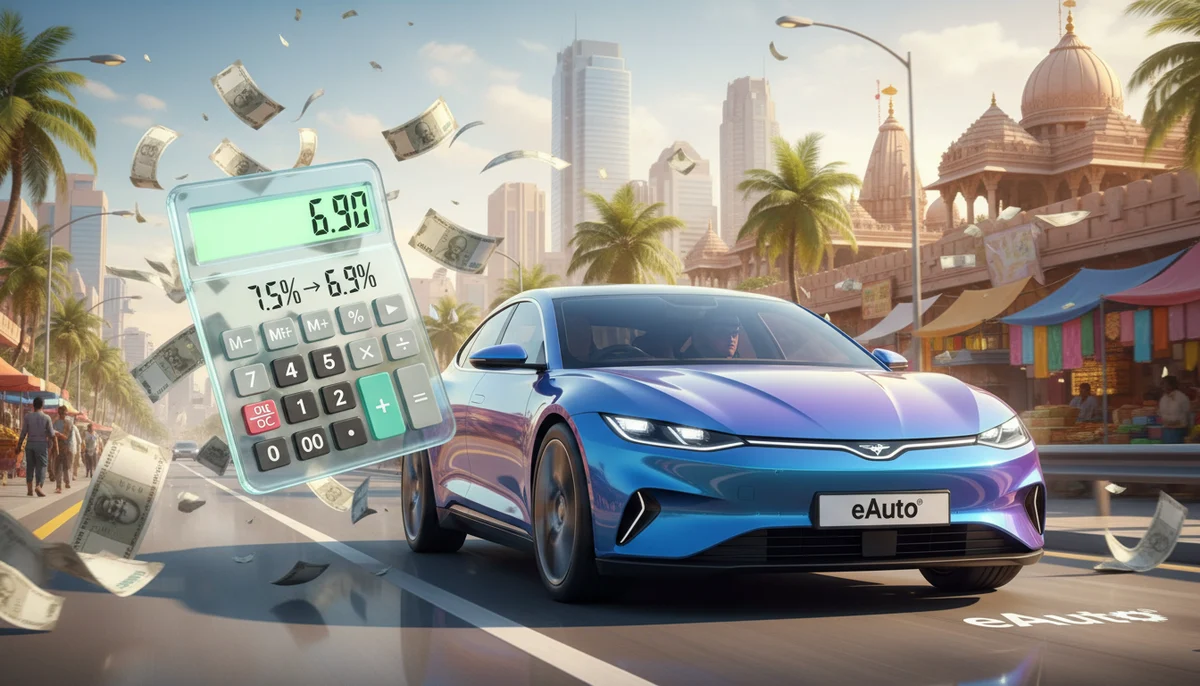
Every dealer will show you a shiny EMI number and call it a deal. This car loan guide exists because that number alone doesn’t tell you what you’re actually paying over the life of the loan — and honestly, most first-time buyers I know got surprised by this later.
Let’s break down what actually matters when financing a car in 2026.
Understanding Current Interest Rates
Direct answer: As per this car loan guide, interest rates for car loans in India in 2026 typically range between 8.5% to 11.5% depending on your credit score, loan tenure, and whether you’re financing a new or used vehicle.
Used car loans generally carry higher interest rates, often 1.5-2% more than new car loans, due to higher perceived risk by lenders.
How Credit Score Affects Your Rate
- Credit score above 750 — best rates, often 8.5-9%
- Credit score 650-750 — moderate rates, around 9.5-10.5%
- Credit score below 650 — higher rates or loan rejection risk
I’ve seen a friend save nearly 1.5% interest simply by clearing a small pending credit card dues before applying — worth checking your score before you walk into a showroom.
Loan Tenure — Shorter vs Longer
This is genuinely where most buyers make an expensive mistake without realizing it:
Direct answer: While a longer loan tenure reduces monthly EMI, it significantly increases total interest paid — a 7-year loan can cost 40-50% more in total interest compared to a 3-year loan for the same principal amount.
[link to related guide about how to buy first car here]
Down Payment — How Much Should You Pay Upfront?
Financial advisors generally recommend a minimum 20% down payment, though putting down more if you can afford it genuinely reduces your total interest burden substantially.
- 10% down payment — higher EMI burden, more interest overall
- 20% down payment — balanced approach, standard recommendation
- 30%+ down payment — lowest total interest cost, ideal if affordable
Hidden Costs Dealers Don’t Always Mention Upfront
- Processing fees — typically 0.5-1% of loan amount
- Prepayment/foreclosure charges — varies by lender, some charge 2-5%
- Loan insurance (optional but often bundled) — adds to EMI unnecessarily if not needed
Always ask for the complete cost breakdown in writing before signing anything.
Fixed vs Floating Interest Rates
Most car loans in India use fixed interest rates, meaning your EMI stays constant throughout the tenure. This is generally preferable for car loans since it offers payment predictability, unlike floating rates which fluctuate with market conditions.
[link to related guide about used car buying checklist here]
Should You Prepay Your Car Loan Early?
Direct answer: Prepaying a car loan makes financial sense if the prepayment penalty is lower than the interest you’d save, which is typically the case if you’re within the first half of your loan tenure.
Comparing Bank Loans vs NBFC Loans
Banks generally offer slightly lower interest rates but stricter eligibility criteria, while NBFCs (Non-Banking Financial Companies) often approve loans faster with more flexible criteria, though usually at a marginally higher interest rate.
FAQ
Q1: What’s a good interest rate for a car loan in 2026? Rates between 8.5-9.5% are considered good, typically available to buyers with strong credit scores above 750.
Q2: Does loan tenure affect total interest paid significantly? Yes, significantly — longer tenures reduce EMI but can increase total interest paid by 40-50% or more.
Q3: Is it better to make a higher down payment on a car loan? Generally yes, a higher down payment reduces your total interest burden and monthly EMI both.
Q4: Are there hidden charges in car loans I should watch for? Yes, processing fees, prepayment penalties, and optional loan insurance are common hidden costs to clarify upfront.
Q5: Should I choose a bank or NBFC for a car loan? Banks often offer lower rates but stricter approval criteria, while NBFCs approve faster with more flexibility at slightly higher rates.
Conclusion
This car loan guide really boils down to one core principle — always calculate total interest paid, not just the monthly EMI figure a dealer shows you. A slightly higher EMI over a shorter tenure often saves you significantly more money in the long run. Compare at least two or three lenders, check your credit score beforehand, and read the fine print on prepayment charges before signing anything.
Suggested Image Alt Text:
- “Car loan EMI calculator interest rate guide India”
- “Bank car loan documents application India”
- “Car loan down payment tips guide 2026”