
I’ve seen too many riders treat proper bike riding gear as optional, right up until an accident makes them wish they hadn’t. This isn’t meant to scare anyone — it’s just genuinely the reality of riding on Indian roads, where unpredictability is part of the daily commute.
Let’s go through what actually matters for real protection.
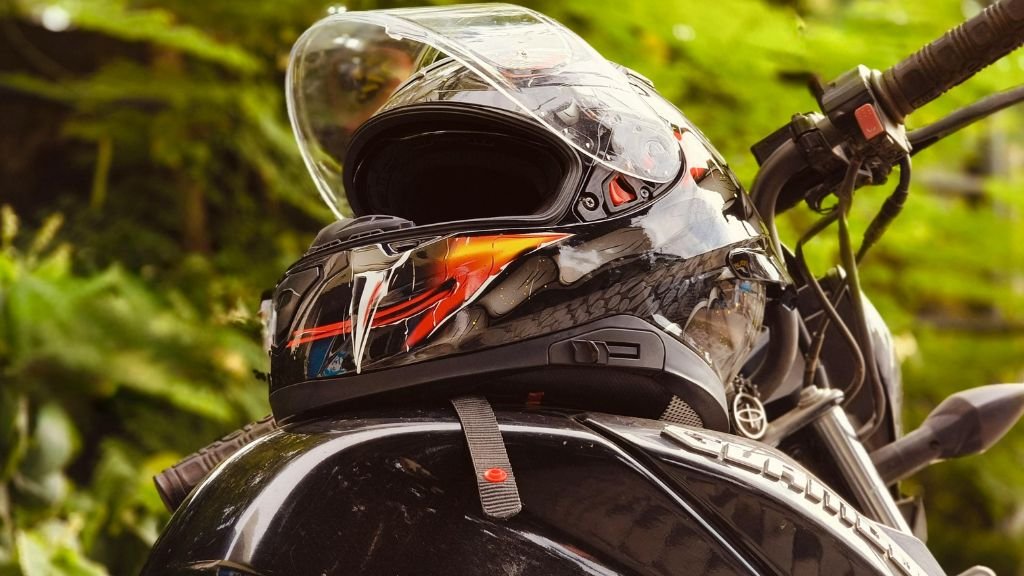
Helmets — The Non-Negotiable Basic
Direct answer: A proper full-face or open-face helmet with ISI or DOT certification is the single most important piece of bike riding gear, reducing head injury risk by over 40% in accidents according to multiple road safety studies.
- Full-face helmets — best overall protection, ideal for highway riding
- Open-face helmets — good ventilation, popular for city commuting
- Modular helmets — flexibility of both, though slightly heavier
Never compromise on a cheap, uncertified helmet just to save a few hundred rupees — this is genuinely the one area where cutting corners can cost you everything.
Riding Jackets — More Than Just Style
- Textile jackets — breathable, good for Indian climate, moderate protection
- Leather jackets — maximum abrasion resistance, less breathable in heat
- Mesh jackets — best for hot weather, with removable armor inserts
I switched to a mesh jacket with armor for summer riding a couple of years back, and the difference in comfort during Jaipur’s peak heat was honestly significant compared to my old leather one.
Riding Gloves — Often Overlooked
Direct answer: Riding gloves protect hands during falls (a common injury point) and improve grip control, with knuckle-protected gloves recommended for serious commuters and touring riders.
[link to related guide about winter bike riding tips here]
Riding Pants and Knee Protection
Many riders skip dedicated riding pants, relying on regular jeans instead — but reinforced riding jeans with knee and hip armor offer significantly better protection at a reasonable cost increase.
Boots — Protecting Your Feet and Ankles
- Ankle-high riding boots offer basic protection for daily commuting
- Full riding boots with reinforced soles suit touring and highway riding
- Avoid open sandals or casual shoes for regular riding — ankle injuries are common in falls
[link to related guide about upcoming bikes 2026 here]
Rain Gear for Monsoon Riding
Monsoon riding gear genuinely deserves its own consideration:
- Waterproof riding suits — full body coverage, best for heavy rain
- Rain ponchos — budget option, less effective in heavy wind
- Waterproof boot covers — often overlooked but genuinely useful
[link to related guide about monsoon driving tips here]
Reflective Gear for Visibility
Direct answer: Reflective strips or vests significantly improve rider visibility during low-light conditions, an especially important consideration given how many Indian roads lack adequate street lighting.
Budget-Friendly Gear Combinations
Has this crossed your mind — that full gear seems too expensive to justify? Start with the essentials: a certified helmet and riding gloves cost relatively little and cover the highest-risk areas. Build up the rest of your gear collection gradually rather than skipping it all due to upfront cost.
FAQ
Q1: What’s the most important piece of bike riding gear to invest in? A properly certified helmet is the single most critical piece of gear for rider safety.
Q2: Are riding jackets necessary for short city commutes? Yes, even short commutes carry accident risk, and a jacket with armor provides meaningful protection.
Q3: What type of gloves are best for daily commuting? Knuckle-protected riding gloves offer the best balance of protection and grip for regular commuting.
Q4: Is reflective gear necessary for city riding? Yes, especially important given inconsistent street lighting on many Indian roads.
Q5: Can I build a proper riding gear collection on a budget? Yes, start with a certified helmet and gloves, then gradually add jacket, pants, and boots over time.
Conclusion
Investing in proper bike riding gear isn’t about looking the part — it’s genuinely about giving yourself the best chance in situations you can’t always predict or avoid. Start with the essentials, especially a certified helmet, and build your gear collection over time as budget allows. It’s one of those decisions you’ll never regret making, even if you never need to rely on it in an actual accident.
Suggested Image Alt Text:
- “Bike riding gear helmet jacket safety India”
- “Motorcycle riding gloves protective gear closeup”
- “Rain riding gear monsoon bike safety India”