
Two years ago, I’d have told you finding a genuinely good electric cars under 20 lakh option in India was tough. Now? The segment has actually matured, and there are legitimate choices worth considering, not just compromises.
I test drove three EVs in this budget range last month, and the difference in real-world usability compared to even a year ago is noticeable.
What’s Actually Available Right Now
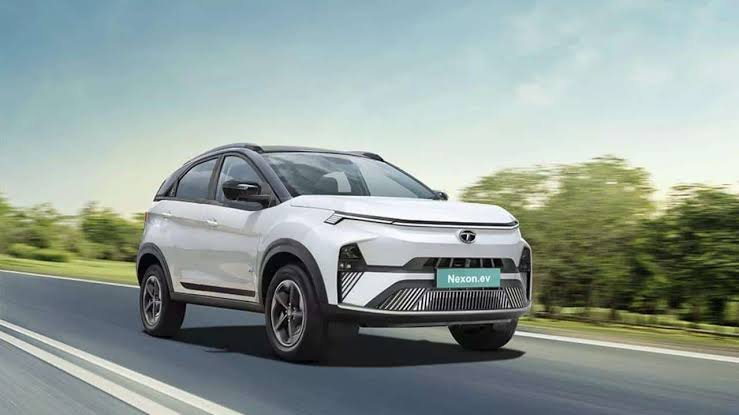
Direct answer: In 2026, the best electric cars under 20 lakh in India include the Tata Nexon EV, MG Windsor, and Tata Punch EV — each offering real-world ranges between 250-350 km on a full charge.
Range — What to Actually Expect
Manufacturer-claimed range and real-world range differ, sometimes significantly:
- Tata Nexon EV — claimed 325 km, real world around 250-270 km
- MG Windsor — claimed 331 km, real world around 260-280 km
- Tata Punch EV — claimed 315 km, real world around 240-260 km
AC usage, driving speed, and terrain all eat into that claimed number. City stop-start driving actually helps EV range due to regenerative braking, interestingly.
Charging Infrastructure — Is It Good Enough Yet?
This remains the biggest genuine concern for buyers, and I won’t sugarcoat it. Major highways connecting big cities have decent coverage now, but smaller towns still lag behind.
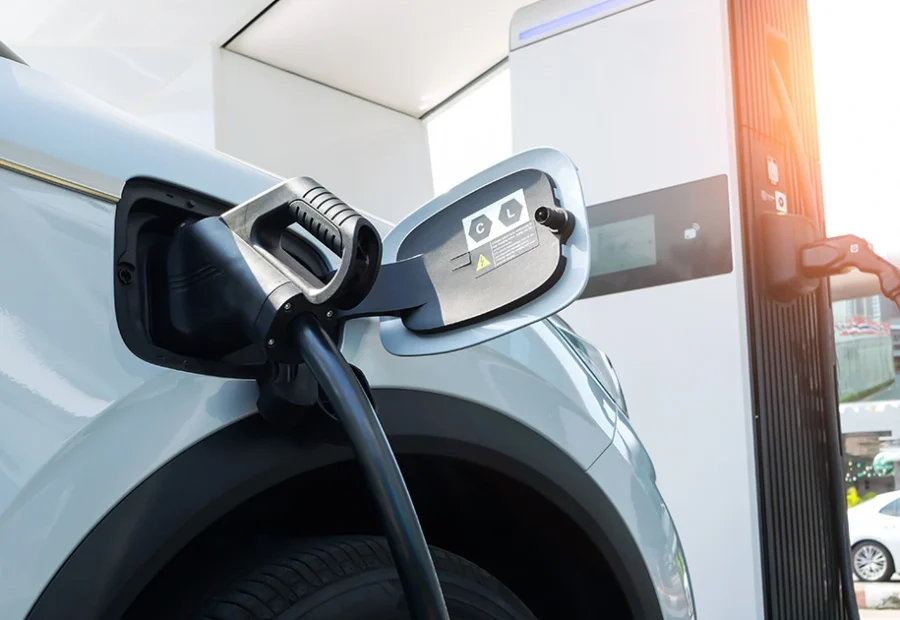
- Home charging (7.2 kW) — full charge in 8-10 hours typically
- DC fast charging — 10-80% in 50-60 minutes at most public stations
- Standard 15A socket charging — slow, takes 15+ hours, only for emergencies
[link to related guide about EV charging stations near you here]
Running Cost Comparison — EV vs Petrol
Here’s where EVs genuinely shine, and it’s not even close:
Direct answer: Running an EV typically costs ₹1.2-1.5 per km compared to ₹6-7 per km for a petrol car, meaning an EV can save you roughly ₹4,000-5,000 monthly for someone driving 1000 km.
Battery Warranty and Degradation Concerns
I get asked this a lot — will the battery die out in a few years? Most manufacturers now offer 8-year or 1,60,000 km battery warranties, and real-world degradation data from early Nexon EV buyers shows only about 8-10% capacity loss after 4-5 years of regular use.
Resale Value — Still a Grey Area
Honestly, this is where I’d urge some caution. EV resale value in India is still finding its footing since the market is relatively new. Unlike petrol cars with decades of resale data, EVs don’t have that track record yet.
[link to related guide about used car buying checklist here]
Government Subsidies and Tax Benefits
Direct answer: EV buyers in India can benefit from lower GST (5% vs 28% for petrol cars), state-specific subsidies, and road tax exemptions in several states, which can bring down the effective cost significantly.
Some states like Delhi and Gujarat offer additional purchase incentives, so it’s worth checking your specific state policy before buying.
Which EV Actually Suits Your Daily Use
Picture someone commuting 30-40 km daily within city limits, occasionally driving to a nearby town on weekends. For this exact use case, any of the three options mentioned above work well. But if you regularly do 300+ km highway trips, range anxiety is still a real consideration.
FAQ
Q1: Which is the best electric car under 20 lakh in India? The Tata Nexon EV remains one of the most balanced options, offering good range, service network, and safety ratings.
Q2: How long does it take to charge an EV at home? With a standard 7.2 kW home charger, expect 8-10 hours for a full charge.
Q3: Do EVs really save money compared to petrol cars? Yes, running costs are significantly lower, typically ₹1.2-1.5 per km versus ₹6-7 per km for petrol.
Q4: Is EV battery degradation a real concern in India? Early data shows manageable degradation (8-10% over 4-5 years), and most manufacturers offer long battery warranties.
Q5: Are there subsidies available for electric cars under 20 lakh? Yes, GST benefits and state-specific subsidies can meaningfully reduce the effective purchase cost.
Conclusion
The electric cars under 20 lakh segment in India has genuinely come a long way, and for the right use case — mostly city driving with occasional longer trips — it makes a lot of sense today. That said, don’t ignore charging infrastructure in your specific area before committing. Visit a showroom, take a proper test drive covering both city and highway stretches, and talk to actual owners if you can find any in your circle.
Suggested Image Alt Text:
- “Tata Nexon EV electric car under 20 lakh India charging”
- “MG Windsor electric car interior India 2026”
- “EV charging station highway India electric cars”