
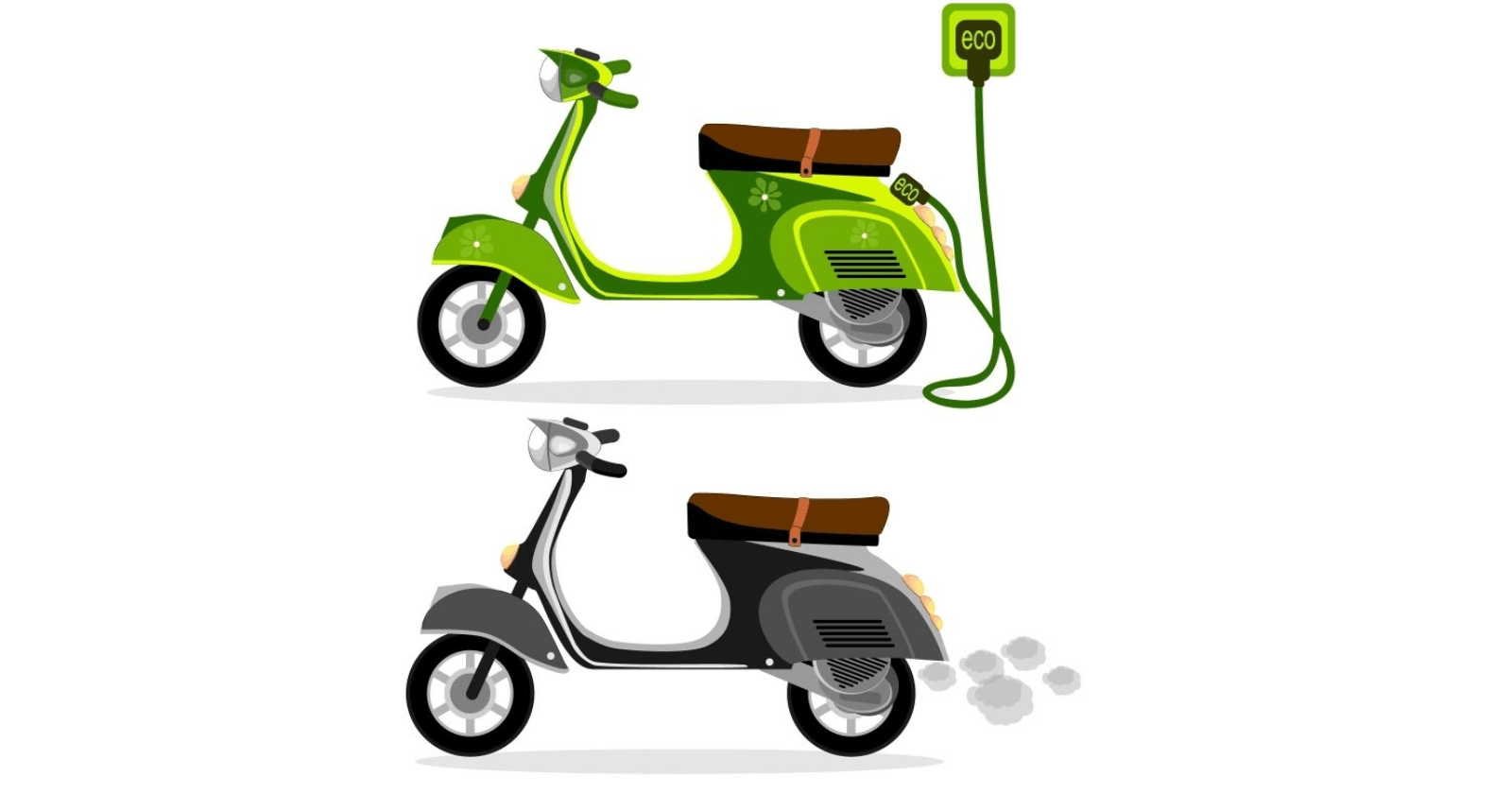
Every second person on my street seems to be debating the same thing right now — electric scooter vs petrol scooter, and which one actually makes sense for daily use. I get it. It’s not a small decision anymore, not with fuel prices and EV options both changing fast.
Let me break this down with actual numbers rather than just general opinions.
Upfront Cost Comparison
Direct answer: Petrol scooters typically cost ₹75,000-90,000 on-road, while electric scooters range from ₹90,000-1,40,000 depending on battery size and features — meaning electric scooters usually cost 15-30% more upfront.
- Honda Activa 6G — around ₹85,000 on-road
- TVS Jupiter — around ₹88,000 on-road
- Ola S1 — around ₹1,10,000 on-road
- TVS iQube — around ₹1,20,000 on-road
Running Cost — Where Electric Wins Big
This is genuinely the deciding factor for most people once they see the actual numbers side by side:
- Petrol scooter running cost — roughly ₹3-4 per km
- Electric scooter running cost — roughly ₹0.5-0.8 per km
For someone riding 40 km daily, that’s a difference of nearly ₹3,500-4,000 per month. Over a year, that easily crosses ₹40,000 — often enough to cover the price difference between the two within 2-3 years.
Range and Refueling Convenience
Direct answer: Petrol scooters offer near-instant refueling and 400+ km range per tank, while electric scooters typically offer 80-150 km range per charge and require 4-6 hours for a full charge at home.
This convenience gap is real, and I won’t pretend it isn’t. If you’re someone who does unpredictable long rides, petrol still has the edge here.
Maintenance Cost Comparison
Electric scooters genuinely need far less maintenance — no engine oil changes, fewer moving parts, no spark plugs. My friend who switched to an Ola S1 mentioned he’s spent almost nothing on servicing in over a year, compared to regular ₹1,000-1,500 services for his old Activa.
[link to related guide about EV battery maintenance here]
Performance — Does Electric Feel Different?
Honestly, electric scooters have an edge in initial acceleration since electric motors deliver instant torque. City riding — quick starts at signals, overtaking in traffic — feels noticeably peppier on most electric scooters compared to petrol equivalents.
Charging Infrastructure Reality Check
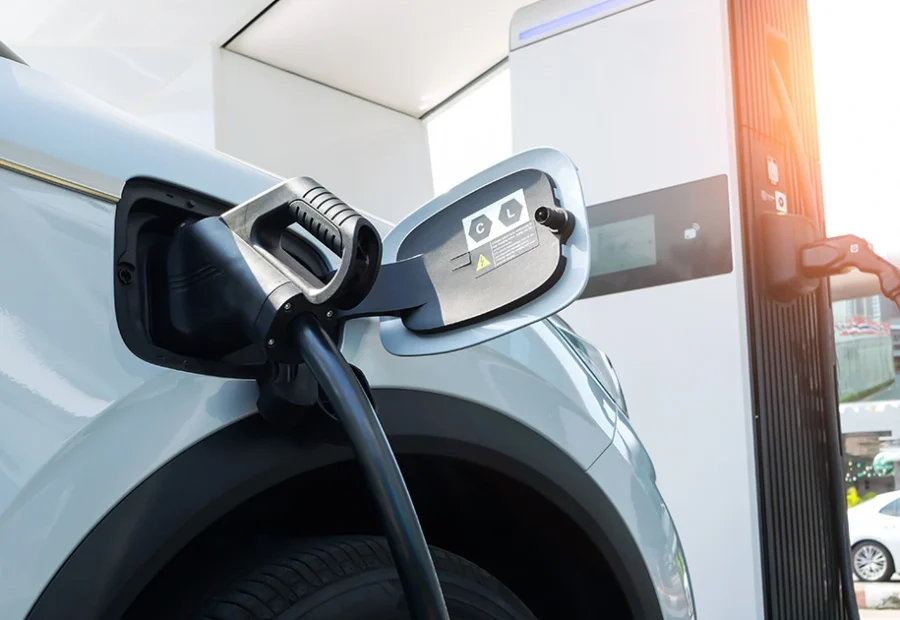
Home charging works fine for daily commutes under 60-70 km, since you can top up overnight easily. Public charging for scooters specifically is still limited compared to car charging networks, so relying on it daily isn’t ideal yet in most cities outside major metros.
[link to related guide about EV charging stations here]
Resale Value Considerations
Petrol scooters, particularly Honda and TVS models, have decades of resale data and hold value predictably. Electric scooters are newer to the market, and resale value patterns are still forming — something to factor in if you plan to sell within 3-4 years.
Which One Should You Actually Choose?
Picture two riders: one does a fixed 20 km daily office commute with home charging access, the other does unpredictable 60-80 km days across the city with no fixed charging spot. The first rider is a near-perfect fit for electric. The second might find petrol more practical for now.
[link to related guide about best mileage bikes here]
FAQ
Q1: Is electric scooter vs petrol scooter cheaper to run daily? Electric scooters cost significantly less to run per km — roughly ₹0.5-0.8 compared to ₹3-4 for petrol.
Q2: How long does it take to charge an electric scooter fully? Most electric scooters take 4-6 hours for a full charge on a standard home socket.
Q3: Do electric scooters require less maintenance than petrol scooters? Yes, electric scooters have fewer moving parts, resulting in noticeably lower maintenance costs over time.
Q4: What’s the average range of an electric scooter in India? Most electric scooters offer 80-150 km range per full charge, depending on the model and riding conditions.
Q5: Is petrol scooter still better for long unpredictable rides? Yes, petrol scooters offer quicker refueling and longer range, making them more practical for unpredictable long-distance riding.
Conclusion
The electric scooter vs petrol scooter decision really boils down to your daily riding pattern and charging access. If your commute is fixed and within range, electric makes strong financial sense over time despite the higher upfront cost. If your riding is unpredictable or you don’t have reliable charging access, petrol still holds practical advantages. Either way, take both types for a proper test ride before deciding — the feel genuinely differs more than spec sheets suggest.
Suggested Image Alt Text:
- “Electric scooter vs petrol scooter comparison India street”
- “Ola S1 electric scooter charging home India”
- “Honda Activa petrol scooter fuel refill comparison”