
Every year, monsoon season brings the same predictable chaos on Indian roads — waterlogged streets, reduced visibility, and honestly, a lot of avoidable accidents. These monsoon driving tips come from years of navigating exactly this kind of unpredictable weather myself.
Let’s go through what actually helps keep you safe when the rains hit hard.
Pre-Monsoon Vehicle Checkup
Direct answer: Following essential monsoon driving tips starts before the rains even begin — get your wipers, tyres, brakes, and electrical connections checked in advance to avoid mid-monsoon breakdowns.
- Check wiper blade condition — replace if streaking or squeaking
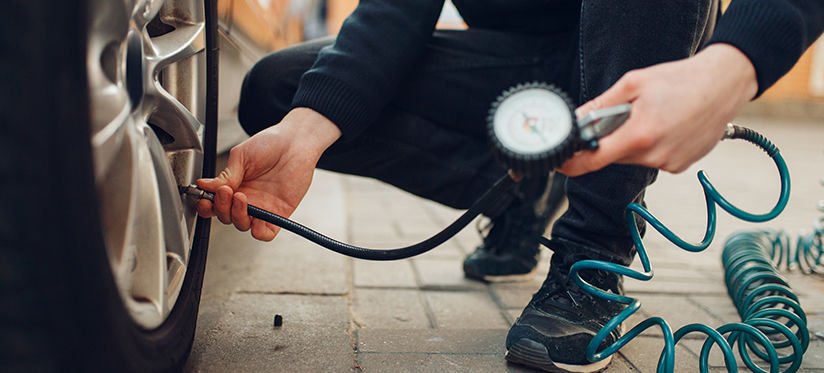
- Verify tyre tread depth — minimum 1.6mm, though more is better for wet grip
- Test brake responsiveness — wet roads need more stopping distance
- Inspect underbody wiring for corrosion-prone connections
Driving Through Waterlogged Roads
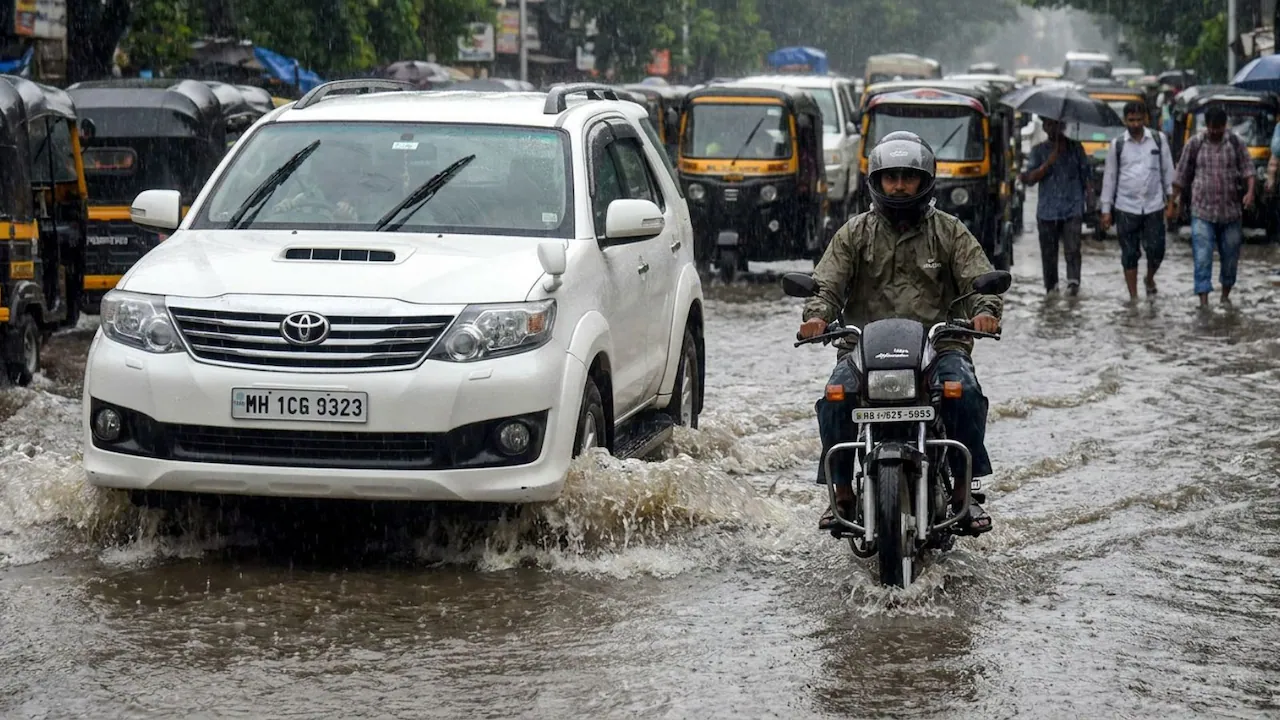
This is genuinely where most monsoon-related car damage happens, and a lot of it is avoidable with the right approach.
Direct answer: When driving through waterlogged roads, maintain a slow, steady speed in first or second gear, avoid stopping mid-water, and never attempt to cross water deeper than your vehicle’s ground clearance recommendation.
- Follow another vehicle’s path if unsure of water depth
- Avoid revving the engine excessively, which can push water into the exhaust
- If the engine stalls in water, don’t restart it — get it towed to avoid engine damage
Visibility Management in Heavy Rain
Poor visibility is one of the biggest risk factors during monsoon driving. A few practical habits help:
- Turn on headlights even during daytime heavy rain
- Use defoggers proactively rather than waiting for windows to fully fog up
- Increase following distance significantly — wet roads need 2-3x normal braking distance
I’ve noticed a lot of drivers underestimate just how much longer stopping distances get on wet roads — it genuinely catches people off guard.
Tyre Care for Better Wet Grip
[link to related guide about bike chain maintenance here]
Proper tyre tread and correct pressure matter more during monsoon than any other season, since worn tyres significantly increase hydroplaning risk at higher speeds.
Avoiding Hydroplaning
Direct answer: Hydroplaning occurs when your tyres lose contact with the road surface due to water buildup — avoiding sudden steering movements and maintaining moderate speeds (avoiding speeds above 60-70 kmph in heavy rain) significantly reduces this risk.
Parking Considerations During Monsoon
Avoid parking under trees during heavy rain and wind — falling branches are a genuine, common cause of monsoon vehicle damage. Also, try to park slightly elevated where possible to avoid waterlogging around your vehicle overnight.
[link to related guide about used car buying checklist here]
Emergency Kit for Monsoon Drives
Keep a basic emergency kit ready during monsoon season:
- Umbrella and raincoat
- Torch with extra batteries
- Basic tool kit and jumper cables
- Emergency contact numbers for roadside assistance
Electrical System Precautions
Monsoon moisture can affect electrical connections over time. If you notice flickering lights or electrical glitches during or after heavy rain exposure, get it inspected promptly rather than waiting for the issue to worsen.
FAQ
Q1: What’s the most important monsoon driving tip for waterlogged roads? Maintain slow, steady speed in low gear and avoid stopping mid-water to prevent water from entering the engine.
Q2: How can I reduce hydroplaning risk during monsoon driving? Maintain moderate speeds and avoid sudden steering movements, especially on roads with standing water.
Q3: Should headlights be used during daytime monsoon driving? Yes, turning on headlights during heavy daytime rain significantly improves visibility for other drivers.
Q4: What should I do if my car stalls while crossing water? Do not attempt to restart the engine — get the vehicle towed to avoid serious engine damage from water ingestion.
Q5: How much extra braking distance should I allow during monsoon? Wet roads typically require 2-3 times the normal braking distance compared to dry conditions.
Conclusion
These monsoon driving tips genuinely come down to one core principle — slow down and give yourself more margin for error than you would in normal conditions. Rain changes road dynamics significantly, and most monsoon accidents happen because drivers underestimate just how much grip and visibility they’ve lost. Get your vehicle checked before the season starts, and drive with extra patience once the rains actually arrive.
Suggested Image Alt Text:
- “Monsoon driving tips waterlogged road car India”
- “Car headlights heavy rain visibility monsoon driving”
- “Wet road tyre grip monsoon driving safety India”