
Winter mornings bring their own set of challenges for riders — fog, cold engines, reduced grip on dew-covered roads. These winter bike riding tips come from years of early morning commutes through genuinely foggy Jaipur winters.
Let’s go through what actually helps make winter riding safer and more comfortable.
Layering for Cold Weather Riding
Direct answer: Following practical winter bike riding tips starts with proper layering — a thermal base layer, a windproof outer jacket, and riding gloves designed for cold weather significantly improve comfort without restricting movement.
- Thermal base layer — traps body heat effectively
- Windproof riding jacket — blocks chilling wind at riding speeds
- Insulated gloves — cold hands genuinely reduce grip control and reaction time
- Neck gaiter or balaclava — protects against wind chill on the face
Managing Fog and Reduced Visibility
Fog is genuinely one of the most dangerous winter riding conditions, and it’s often underestimated until visibility drops suddenly.
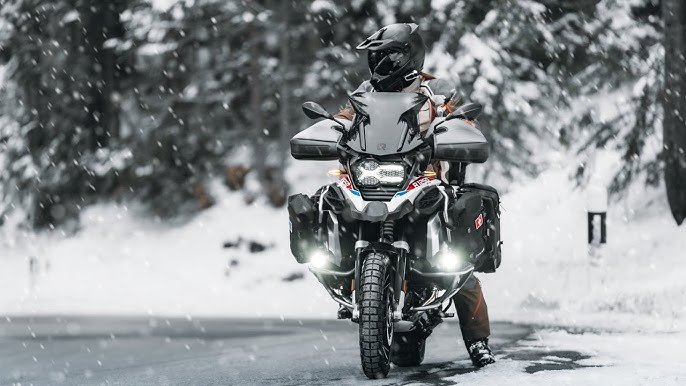
- Use fog lights or low-beam headlights, never high beam (which reflects and worsens visibility in fog)
- Reduce speed significantly in foggy patches, even if you know the road well
- Increase following distance to account for delayed reaction times in low visibility
Cold Engine Warm-Up Practices
Direct answer: Allowing your bike’s engine to idle for 30-60 seconds before riding in cold weather helps circulate oil properly, reducing engine wear compared to riding immediately on a cold start.
[link to related guide about bike chain maintenance here]
Tyre Grip Considerations in Winter
Cold mornings often mean dew on road surfaces, which can reduce tyre grip similarly to light rain. Riding a bit more cautiously during the first hour of morning commutes, especially on curves, genuinely helps avoid slip-related accidents.
Battery Care During Winter Months
Cold weather affects battery performance, sometimes making starts harder on older batteries. If your bike struggles to start on cold mornings, it’s worth getting the battery health checked before winter fully sets in rather than waiting for a complete failure.
[link to related guide about car service schedule here]
Visibility Gear for Early Morning and Evening Rides
Winter’s shorter daylight hours mean more riding happens in low light. Reflective jacket strips and ensuring your bike’s tail light is functioning properly both genuinely improve your visibility to other road users during dawn and dusk commutes.
[link to related guide about bike riding gear for safety here]
Adjusting Riding Speed and Following Distance
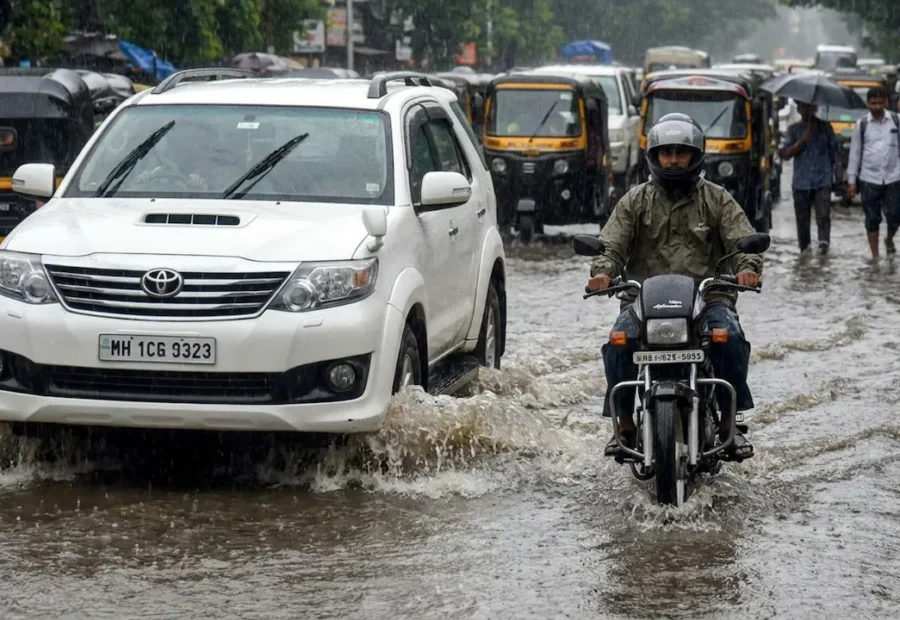
Has this happened to you — misjudging stopping distance on a foggy, dew-covered morning? Winter conditions genuinely warrant slower speeds and greater following distance, similar to monsoon precautions, even though the road might look dry.
Skin and Lip Protection for Cold Rides
Beyond safety gear, don’t overlook basic comfort — cold wind exposure during daily commutes can genuinely chap skin and lips over weeks of riding. A simple moisturizer and lip balm before your ride helps more than people expect.
FAQ
Q1: What’s the most important winter bike riding tip for visibility? Using low-beam or fog lights (never high beam) in foggy conditions significantly improves visibility without worsening glare.
Q2: Should I warm up my bike’s engine before riding in winter? Yes, allowing 30-60 seconds of idle time helps circulate engine oil properly in cold conditions.
Q3: Does cold weather affect bike battery performance? Yes, cold weather can reduce battery efficiency, sometimes causing harder starts on older batteries.
Q4: Why does road grip reduce during winter mornings? Dew on road surfaces during cold mornings can reduce tyre grip similarly to light rain conditions.
Q5: What clothing is best for winter bike commuting? A thermal base layer combined with a windproof jacket and insulated gloves offers the best balance of warmth and mobility.
Conclusion
These winter bike riding tips genuinely make a noticeable difference for anyone commuting through foggy, cold mornings regularly. Proper layering keeps you comfortable, while adjusted speed and visibility precautions keep you genuinely safer during reduced-visibility conditions. Don’t underestimate winter riding risks just because the roads look dry — dew and fog create real hazards that catch a lot of riders off guard every year.
Suggested Image Alt Text:
- “Winter bike riding tips foggy morning commute India”
- “Rider winter jacket gloves cold weather bike gear”
- “Bike headlight fog winter riding safety India”