
The number one question new EV owners ask me isn’t about range or price — it’s genuinely “how do I find ev charging stations india actually has near me?” Fair question, because unlike petrol pumps, charging stations aren’t exactly on every corner yet.
I’ve helped a couple of friends set up their charging routine after buying EVs, so here’s what actually works in practice.
Best Apps to Locate Charging Stations
Direct answer: The most reliable apps for finding ev charging stations india wide are Tata Power EZ Charge, Statiq, and PlugShare, all of which show real-time availability, connector types, and pricing at nearby stations.
- Tata Power EZ Charge — largest network, especially strong on highways
- Statiq — good coverage in metro cities and growing fast
- PlugShare — community-driven, useful for cross-checking availability
I personally rely on two apps simultaneously now, since no single app has 100% accurate real-time data yet — stations sometimes show as available when they’re actually occupied.
Highway Charging Corridors in India
Long-distance EV travel has genuinely improved on major routes:
- Delhi-Jaipur highway — decent charging coverage now
- Mumbai-Pune expressway — well covered with fast chargers
- Bengaluru-Chennai highway — improving steadily
If you’re planning a road trip, mapping out charging stops in advance is still smart practice rather than assuming you’ll find one when needed.
Setting Up Home Charging — Is It Worth It?
For most daily EV owners, home charging genuinely covers 80-90% of their needs. Public charging becomes more of a backup for longer trips.
Direct answer: Setting up a home EV charger typically costs ₹15,000-40,000 depending on charger type, and most manufacturers offer installation support when you purchase the vehicle.
[link to related guide about EV battery maintenance here]
Connector Types You Should Know
This trips up a lot of new buyers, so worth clarifying:
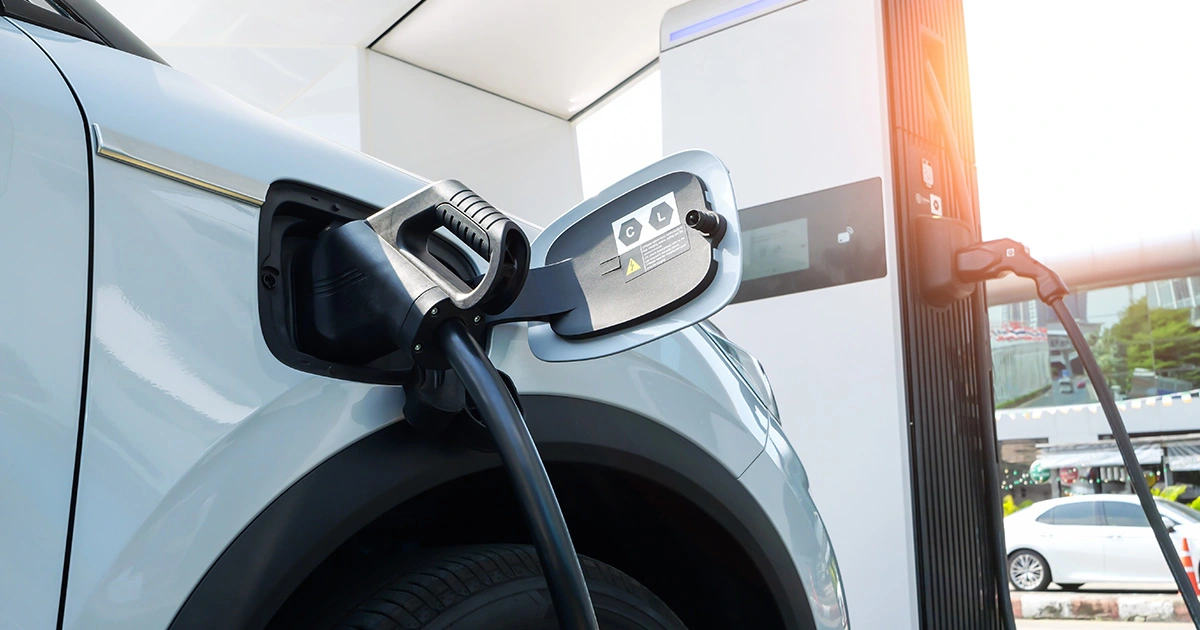
- CCS2 — most common standard for Indian EV cars now
- Type 2 AC — used for slower home/public AC charging
- Bharat DC001 — older standard, less common in new stations
Always confirm your car’s connector type matches available stations before relying on a route for a trip.
Cost of Charging at Public Stations
Public fast charging typically costs ₹15-25 per unit (kWh), which works out to roughly ₹2-3 per km depending on your vehicle’s efficiency — still cheaper than petrol, but noticeably more than home charging.
[link to related guide about electric cars under 20 lakh here]
What to Do If You Can’t Find a Station Nearby
Picture this — you’re on a highway, battery at 20%, and the app shows a station that turns out to be non-functional. It happens more than manufacturers like to admit. My advice: always keep a 20-25% buffer beyond what you think you need, and never plan a route around a single charging point.
Tier 2 and Tier 3 City Coverage
Honestly, this is where the gap is most visible right now. Metro cities have decent coverage, but smaller towns are catching up slowly. If you live outside a major city, home charging becomes almost essential rather than optional.
FAQ
Q1: What’s the best app to find ev charging stations india has available? Tata Power EZ Charge and Statiq are currently the most reliable, with PlugShare useful as a cross-reference.
Q2: How much does it cost to install a home EV charger? Typically ₹15,000-40,000 depending on the charger capacity and installation complexity.
Q3: Are highway charging stations reliable for long trips in India? Major highways connecting big cities have improved significantly, though it’s wise to always keep a buffer in your route planning.
Q4: What connector type do most Indian EVs use? CCS2 is now the most common standard for EV cars in India.
Q5: Is public charging expensive compared to home charging? Public charging costs more per unit than home charging but remains cheaper than petrol overall.
Conclusion
Finding reliable ev charging stations india wide is genuinely easier today than it was even a year ago, though it still requires a bit more planning than fueling a petrol vehicle. Get comfortable with at least two charging apps, set up home charging if you can, and always build in a buffer for longer trips. The infrastructure is improving fast — and honestly, the inconvenience factor keeps shrinking every few months.
Suggested Image Alt Text:
- “EV charging station India highway fast charger”
- “Home EV charger installation India electric car”
- “PlugShare app EV charging stations map India”